Welcome to the Eleshop knowledge base! In the knowledge base, you will find various articles related to electronics and tools. On the left you can find the different categories for the articles.
thumbnailImage
Video
Intermediate Reading time: 12 min
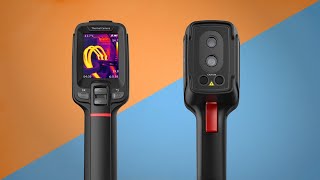
The Guide E2 and E2+ are powerful diagnostic tools for detecting temperature differences. This Eleshop video demonstrates their real-world applications, explaining their features, settings, and best practices for achieving accurate temperature readings.Read More

thumbnailImage
Video
Beginner
Reading time: 11 min
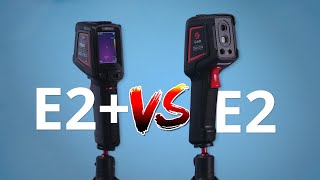
In this video, Eleshop compares the Guide IR E2 and E2+ thermal cameras. Both models have a 256x192 IR resolution and a battery life of 11 hours. The main differences are in the Field of View (FOV) and autofocus: the E2 has a wide FOV, ideal for general inspections, while the E2+ has a narrower FOV and supports autofocus, which is useful for detail work such as PCB inspections. With an optional macro lens, both cameras can capture small details even better. For facility inspections such as heating systems and electrical panels, both cameras perform well, but the E2+ offers a better close-up view. In contrast, the E2 is finer for fast, wide-angle inspections. In short, the E2 is perfect for general inspections, while the E2+ is better suited for precision work. Visit the Eleshop website for more details!Read More

thumbnailImage
Video
Beginner
Reading time: 8 min
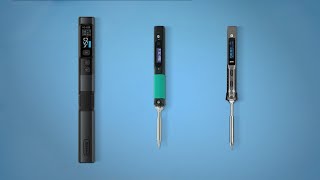
In this Eleshop video, we compare three popular USB-C soldering irons: PINECIL v2, Fnirsi HS-02, and Miniware TS101. These soldering irons offer portability, fast heat-up times, and precise temperature control, but each has its pros and cons. PINECIL v2: Open-source firmware, Bluetooth control, but less sturdy build and tricky tip changes. Fnirsi HS-02: All-metal design, quick heat-up, and a full accessory kit, but new to the market. Miniware TS101: Reliable, ergonomic, and a trusted upgrade from the TS100. Which one suits your needs best?Read More

thumbnailImage
Video
Beginner
Reading time: 2 min
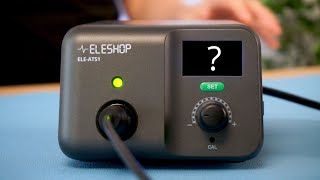
What is the right temperature for your soldering station? Don't just rely on the melting point! For lead-based solder, set it between 300°C-330°C; for lead-free solder, go for 350°C. This ensures good heat transfer, smooth flow and prevents cold joints. Watch the video below for the best results!Read More

thumbnailImage
Beginner
Reading time: 3 min
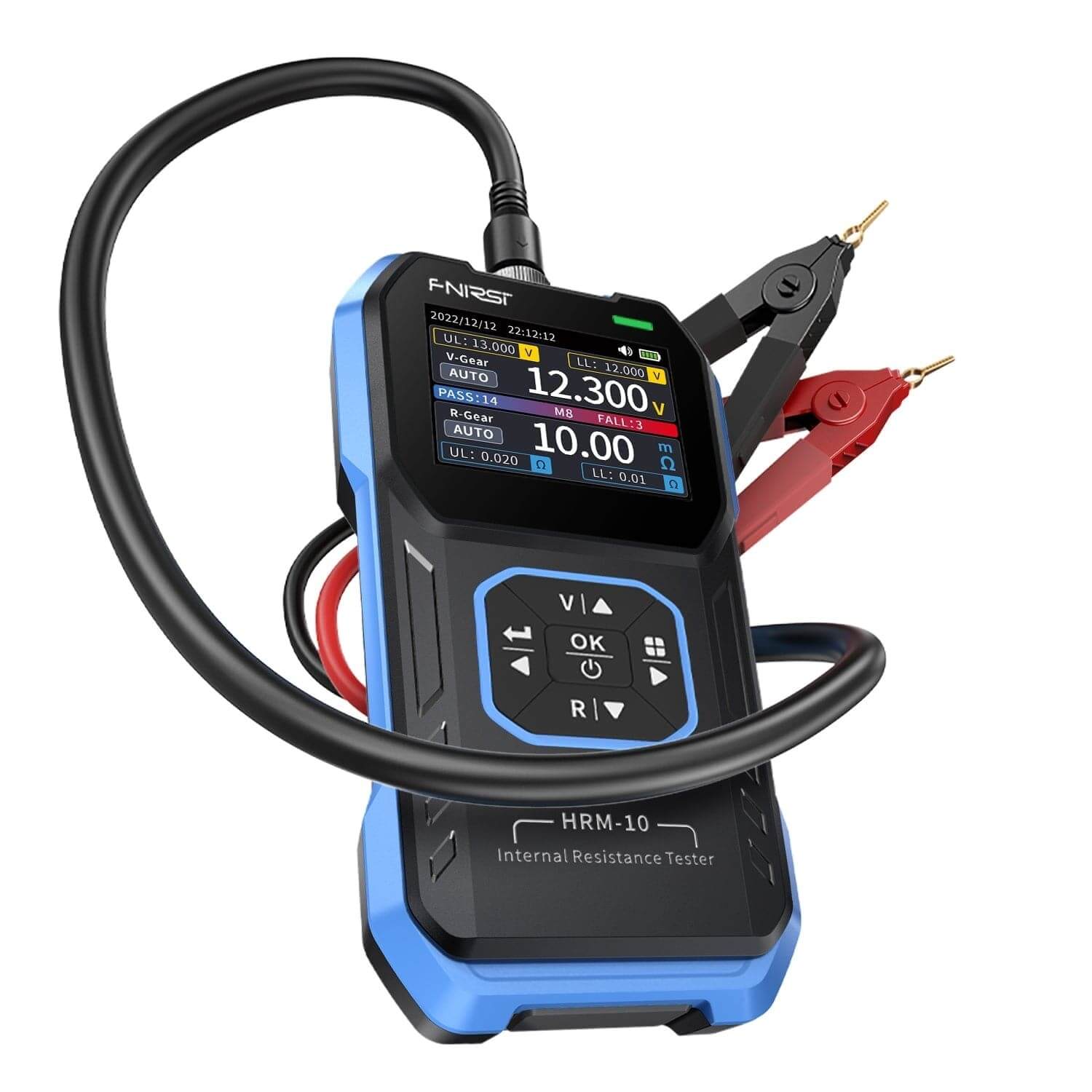
Testing individual cells in old or defective battery packs can be a lengthy process, often requiring hours per cell when using traditional charge/discharge cycles. This article discusses a faster alternative—measuring internal resistance—to quickly assess battery condition. While this method doesn't provide a full capacity measurement, combining it with a two-step approach can significantly reduce testing time.Read More

thumbnailImage
Beginner
Reading time: 4 min
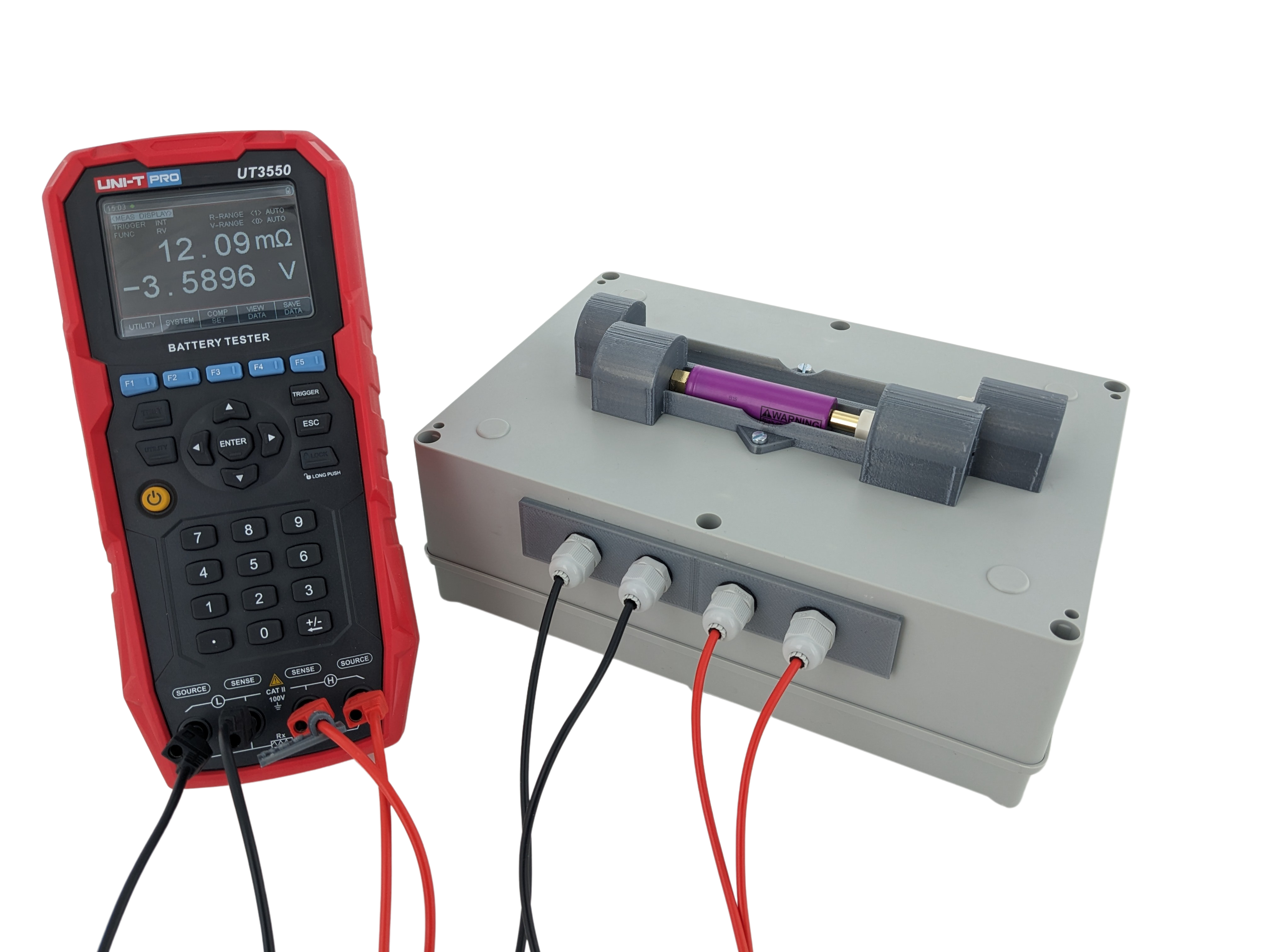
Lithium-Ion batteries have become increasingly prevalent thanks to their improved quality and reduced costs. However, their lifespan isn't infinite. This article explores effective techniques to assess how much life is left in these batteries, focusing on rapid resistance measurements and the advantages of 4-wire testing methods.Read More